Skip to main content Skip to footer


You see the number on your net worth tracker and think: “That’s it. That’s what freedom looks like.” But then you hit that number. And something feels… incomplete.
You realize financial freedom wasn’t actually about the six figures or the seven-figure portfolio. It was about the feeling—the ability to wake up and decide what happens with your day, your energy, your life. And that’s something entirely different.
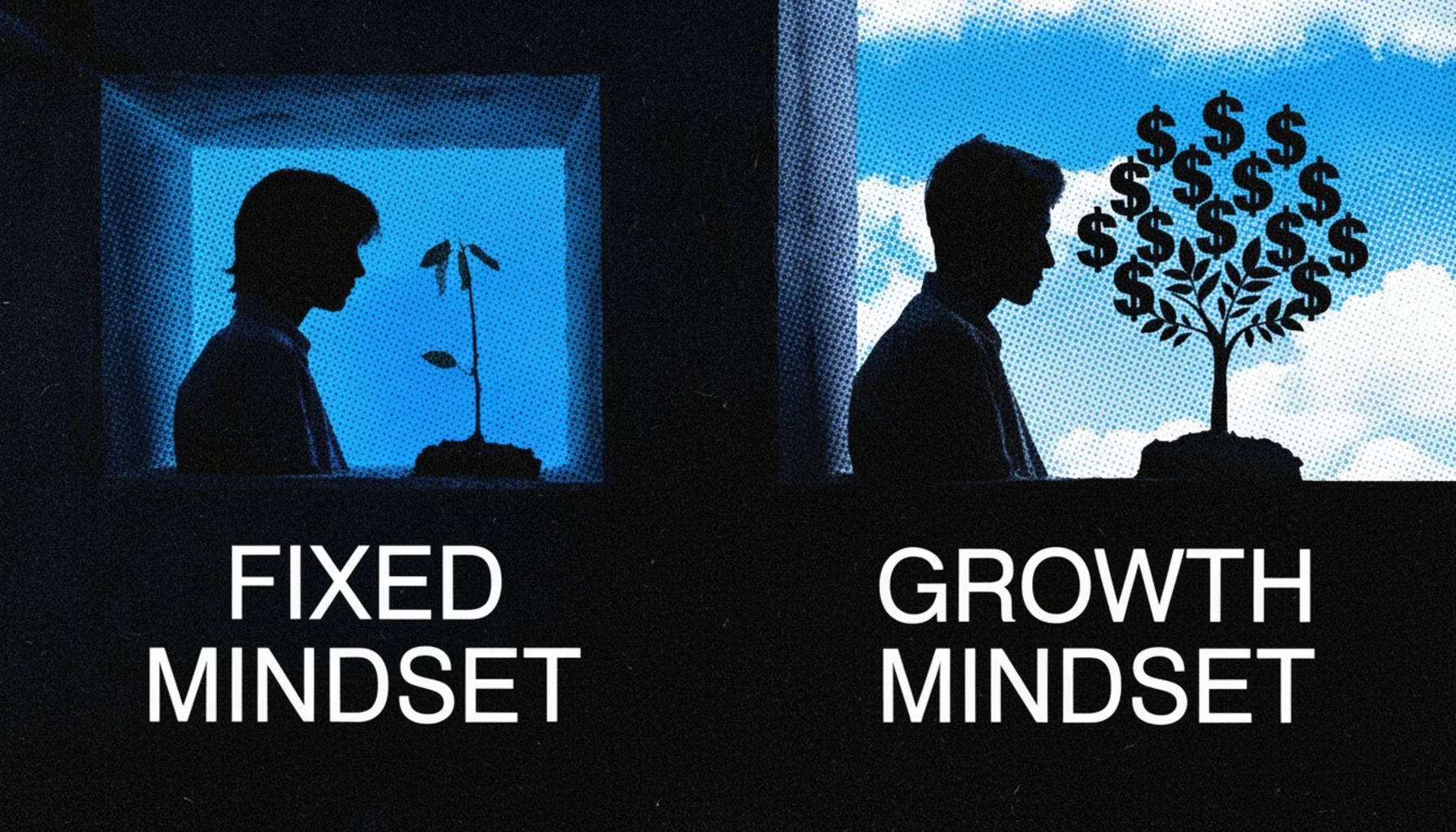
The gap between financial independence and financial freedom is where most people get stuck. And it starts with a mindset shift that nobody talks about.
The Trap: Chasing Numbers Instead of Freedom
The traditional wealth-building narrative goes like this: earn more, save aggressively, hit your number, retire, done. This framework has inspired millions, especially the FIRE (Financial Independence, Retire Early) movement, where followers aim to save 50-70% of their income and reach a target portfolio of 25 times their annual expenses.
But here’s what gets lost in translation: the number is not the destination. It’s the tool.
Financial independence and financial freedom are not the same thing. Financial independence is a mathematical milestone—the point where your passive income covers your living expenses. Financial freedom is something deeper: the ability to make life decisions without financial stress, to pursue what matters to you, to live aligned with your values.
The distinction is critical, because someone can be financially independent and still feel trapped. They hit their number, their investments cover their expenses, but they:
- Stayed in a job they hated for years to maximize savings and miss the present
- Neglected relationships while building wealth
- Never developed skills or passions outside of earning and saving
- Now have money but lack meaning in how to use it
That’s not freedom. That’s just a different kind of cage.
What Real Financial Freedom Actually Means
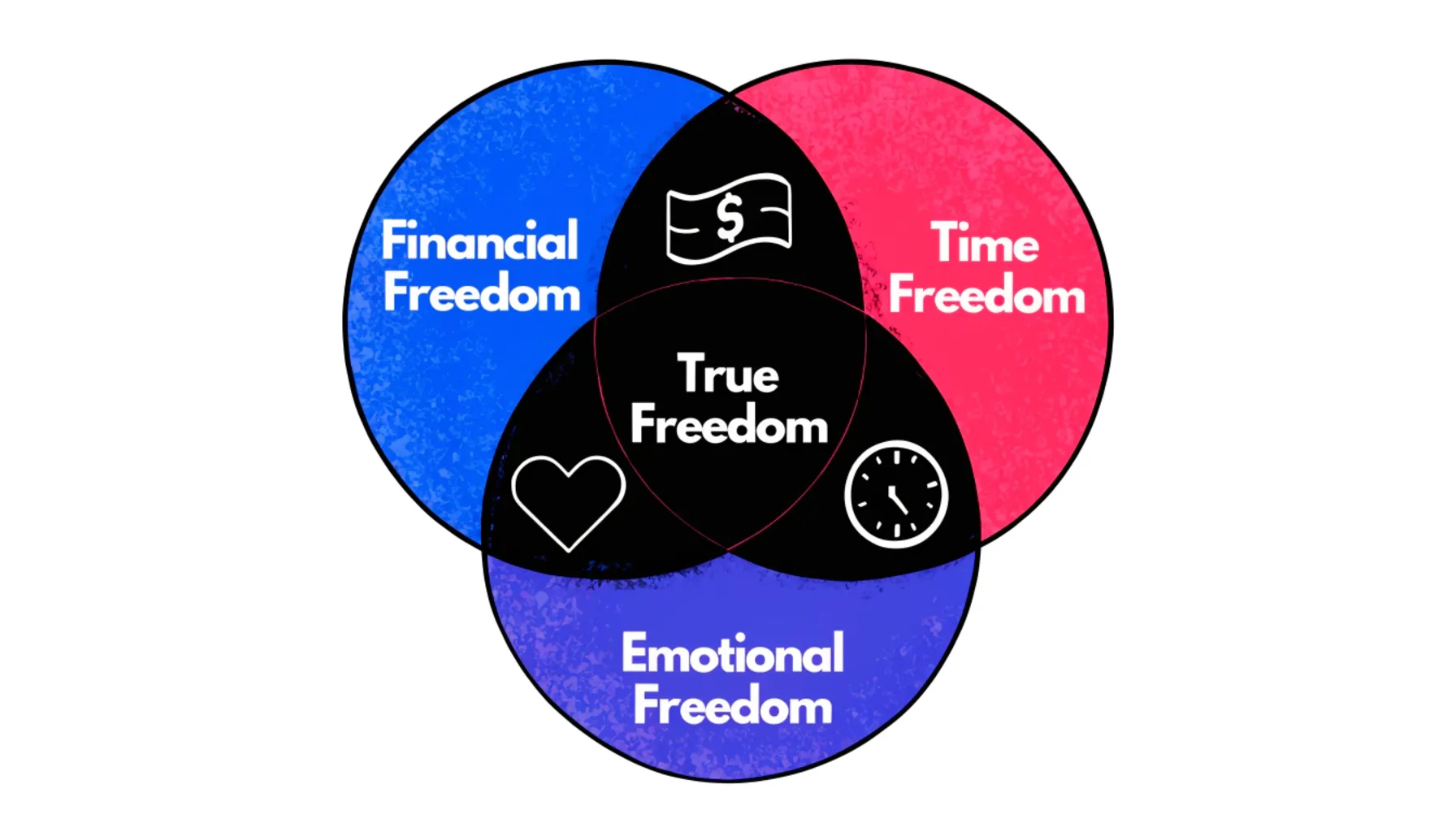
True financial freedom has three dimensions, and they’re not all about money:
1. Financial Freedom: Resources to Cover Your Needs and Wants
This is the number part—having enough income (from work, investments, passive sources) that you’re not stressed about bills and basic needs. But notice the word: enough. Not unlimited. Not constantly chasing more.
The psychology here is crucial: beyond a certain income level, more money stops making you happier. Once your basic needs are secure and you have some buffer, the emotional return on additional wealth diminishes. This is why defining your “freedom target” matters.
Your freedom target isn’t an arbitrary number. It’s the point where:
- Your basic needs are met through guaranteed income
- You have flexibility to choose how you spend time
- Your family’s future is protected
- You can pursue opportunities without desperation
For some people, that’s $30,000/year. For others, it’s $150,000. The number is personal—not posted on a Reddit forum.
2. Time Freedom: Control Over Your Calendar
Money can be lost and earned again. Time cannot.
Time freedom is the ability to decide when and where you work, how much you work, and whether work is optional. For some, it means retiring at 35. For others, it means working part-time, doing freelance projects, or building a business on your terms.
The research on autonomy is clear: control over your time is as important to wellbeing as financial security. When you control your time, you reclaim your life. You invest in relationships, learn new skills, protect your mental health, pursue passions.
This is why many FIRE adherents don’t actually retire after hitting their number—they shift into work they chose, on schedules they designed. The financial independence gave them the option. Time freedom lets them use it intentionally.
3. Emotional Freedom: Decision-Making Aligned with Values, Not Fear
This is the dimension people rarely discuss, but it’s where the deepest transformation happens.
Financial anxiety distorts decision-making. Fear, loss aversion, and scarcity thinking push you toward choices that feel protective but limit your potential. You avoid calculated risks. You say no to opportunities. You sacrifice experiences for safety.
Emotional freedom is the ability to make choices from intention, not fear. To take a new job because it excites you, not because you need it. To start a business because you believe in it, not because you’re desperate. To invest because your strategy aligns with your timeline, not because panic is pushing you.
This doesn’t happen at a specific net worth. It happens when you’ve built enough security that your brain believes survival is not in immediate jeopardy. Then your prefrontal cortex—the part that plans strategically and aligns with values—can finally lead instead of your amygdala constantly hijacking decisions.
Building the Mindset: From Scarcity to Freedom Thinking
The financial freedom mindset requires a deliberate shift in how you think about money and life.
Redefine “Enough”
One of the most profound psychological shifts in building financial freedom is learning to define “enough”—and then actually stopping.
Most people never do this. The goalpost keeps moving. Hit $100K net worth? Now it’s $500K. Hit $500K? Now you’re thinking about a million. This is the hedonic treadmill—your brain adapts to each achievement and immediately demands more.
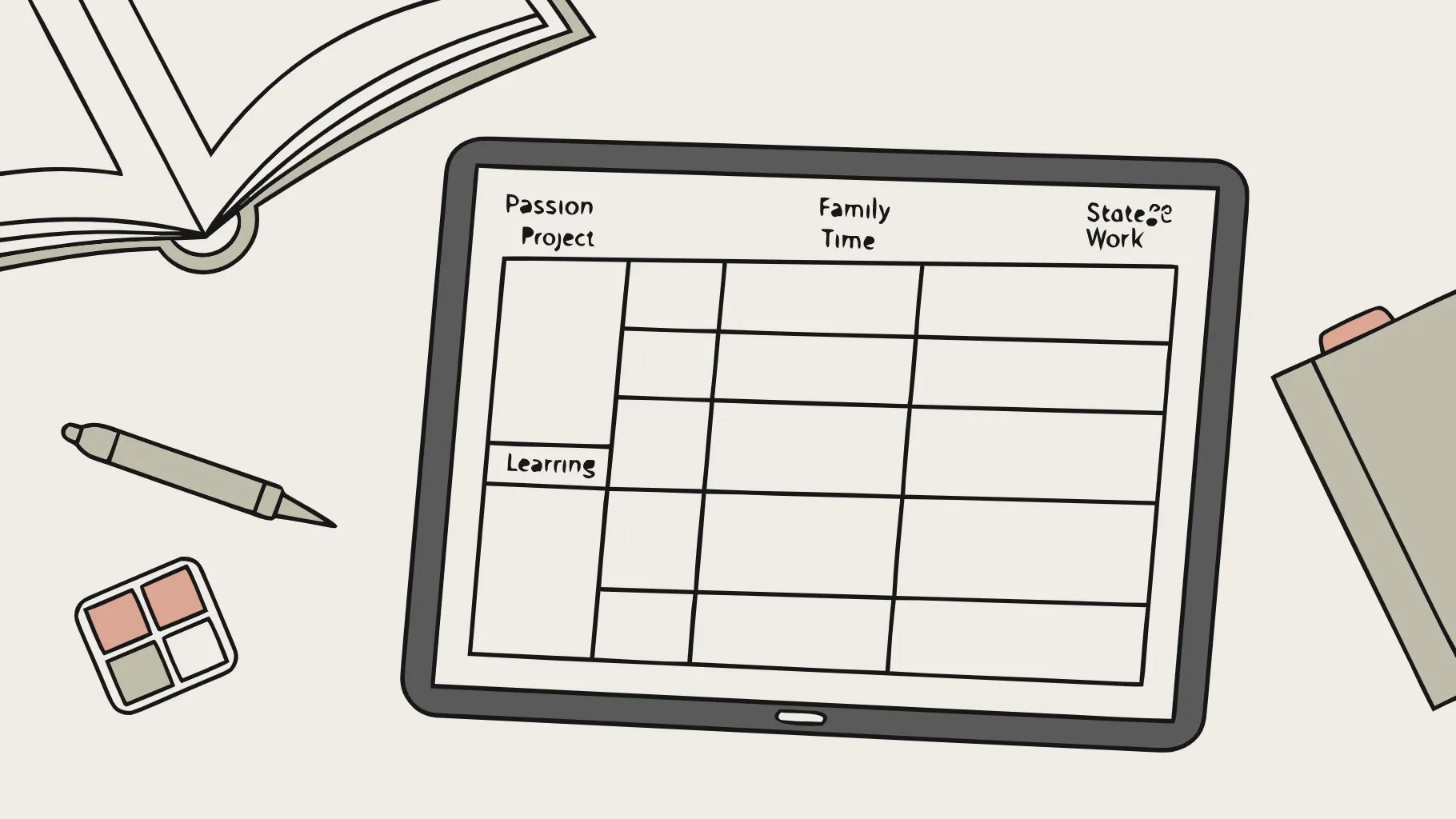
To break free from it, you need to consciously define your freedom target:
- Calculate your actual monthly living expenses (not desires, just survival + reasonable quality of life)
- Add a 20-30% buffer for true emergencies and opportunities
- Multiply by 300 (the 4% rule: your portfolio needs to be 25x annual expenses for sustainable withdrawals)
- That number is your target, not a stepping stone
When you hit it, you stop. Not because you can’t earn more, but because you’ve defined success, and you hit it. Your brain can finally rest.
Shift from Consumer to Creator Mindset
A powerful mindset shift happens when you move from seeing money as something to accumulate to seeing it as a tool for creating value.
This is why many financially independent people don’t retire. They shift to work that creates meaning—starting a business, freelancing in their passion area, or volunteering. They’re not escaping work; they’re escaping the forced work-for-survival trap.
This mindset opens doors. Instead of “How much can I save?” you ask “What value can I create?” That shift moves you from scarcity (fear of not having enough) to abundance (confidence in your ability to generate it).
Practice Gratitude and Presence
The emotional barriers to financial freedom—fear, anxiety, overwhelm—are managed through gratitude and mindfulness.
When you practice gratitude for what you have, your brain stops focusing on scarcity and starts noticing abundance. When you practice mindfulness in financial decisions, you interrupt emotional impulses and engage rational planning.
These aren’t nice-to-haves. They’re core to building emotional freedom, because without them, you’ll hit your financial number while still feeling anxious, still worried, still trapped.
Designing Your Financial Freedom: Practical Systems
Building financial freedom requires three systems:
1. Build a Secure Foundation First
Before you worry about passive income or investment returns, establish financial stability. This means:
- Emergency fund (3-6 months of expenses)
- Debt elimination or management plan
- Basic insurance protection
- Guaranteed income sources (employment, Social Security projection)
Why? Because you can’t build freedom on a shaky foundation. Fear will always sabotage your long-term plans if survival is genuinely uncertain.
2. Create Diverse Income Streams
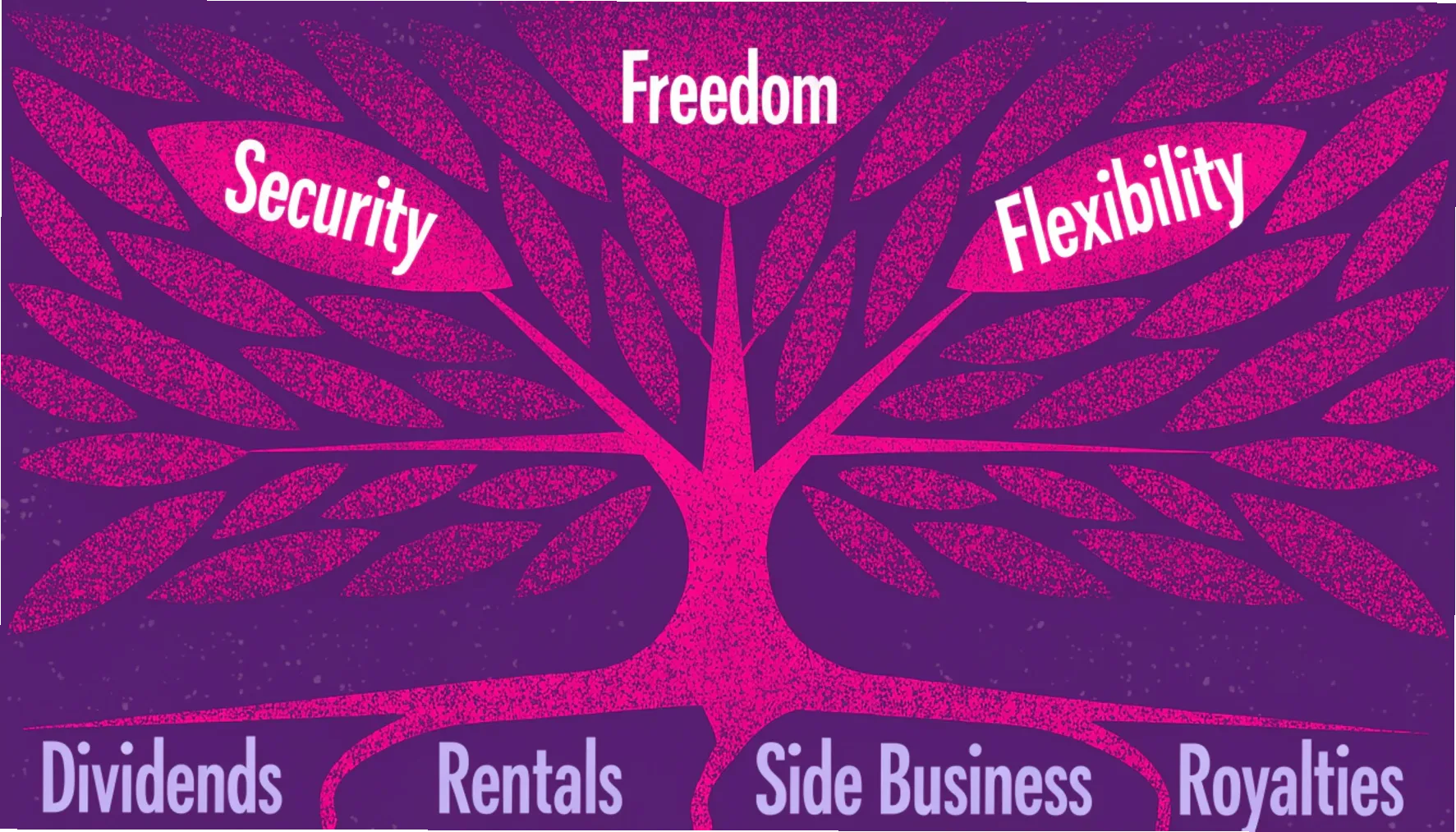
Once your foundation is solid, build passive and semi-passive income sources:
- Dividend-paying investments
- Rental property income
- Side business or freelance work
- Royalties or licensing income
- Peer-to-peer lending
- Other passive sources aligned with your risk tolerance
The goal isn’t to eliminate the need to earn. It’s to diversify so no single income source controls your freedom.
3. Design Your Lifestyle Intentionally
Financial freedom requires deliberate lifestyle design. This means:
- Define what you actually want your daily life to look like
- Identify the time freedoms that matter most
- Determine the financial flexibility you need
- Align spending with values, not habits
This is where many people fail. They build wealth but never ask: “What’s this freedom actually for?” So they default back to the consumer lifestyle they were building before, just with more money.
The Real Freedom: What Happens After the Number
Here’s what people discover after they achieve financial independence: the real work begins.
Without the external structure of needing to earn, you face the internal question: Who am I without the chase? What do I actually want? What brings meaning?
This is why emotional freedom is inseparable from financial freedom. The mindset that got you to financial independence—discipline, delayed gratification, risk avoidance—might actually block you from using your freedom well.
That’s when the transformation deepens:
- You go from building wealth to building impact
- You go from saving every dollar to spending intentionally on what matters
- You go from “I must work” to “I choose what I do”
- You go from fear-based decisions to values-based decisions
That’s the real financial freedom. It’s not the number. It never was.
Your One Thing Today
Define your freedom target—not in five years, but right now:
- Calculate your actual monthly expenses
- Add a 20% buffer
- Multiply by 300 (or use a more conservative multiplier if you prefer extra security)
- Write that number down
That’s not aspirational. That’s your definition of “enough.” When you hit it, you can stop—not because you can’t do better, but because you’ve achieved what you set out to achieve.
The freedom isn’t in the chase. It’s in knowing when the chase is over.
Building Freedom, Living Freedom
Financial freedom mindset isn’t about denying the importance of money. It’s about understanding that money is the vehicle, not the destination.
The destination is the life only you can design. A life where your time is yours. A life where your decisions reflect your values. A life where security and peace of mind let your best self emerge.
That transformation doesn’t require perfection. It requires clarity—knowing what freedom actually means for you—and commitment to building the financial, temporal, and emotional freedom that makes it real.
The number gets you there. But the mindset keeps you free.