Skip to main content Skip to footer


You see someone get a raise and immediately think: “Good for them, but that means less opportunity for me.” You receive an unexpected $1,000 and panic about losing it instead of feeling grateful.
You want to invest but hear yourself say: “I can’t afford it,” without even checking if it’s true.
These aren’t character flaws. They’re the language of scarcity mindset—the belief that resources are limited, competition is fierce, and there’s never enough to go around.
But here’s what neuroscience shows: the abundance mindset isn’t about wishful thinking. It’s about how your brain filters reality, interprets opportunities, and decides what actions to take. And when you shift that filter, your financial reality shifts with it.
Scarcity vs. Abundance: The Fundamental Divide
The difference between these two mindsets is radical:
Scarcity Mindset says:
- Resources are limited; I must protect my piece
- Others’ gains are my losses
- Money is something to hoard and fear
- Risk is dangerous; stability is survival
- I can’t afford this (without even checking)
Abundance Mindset says:
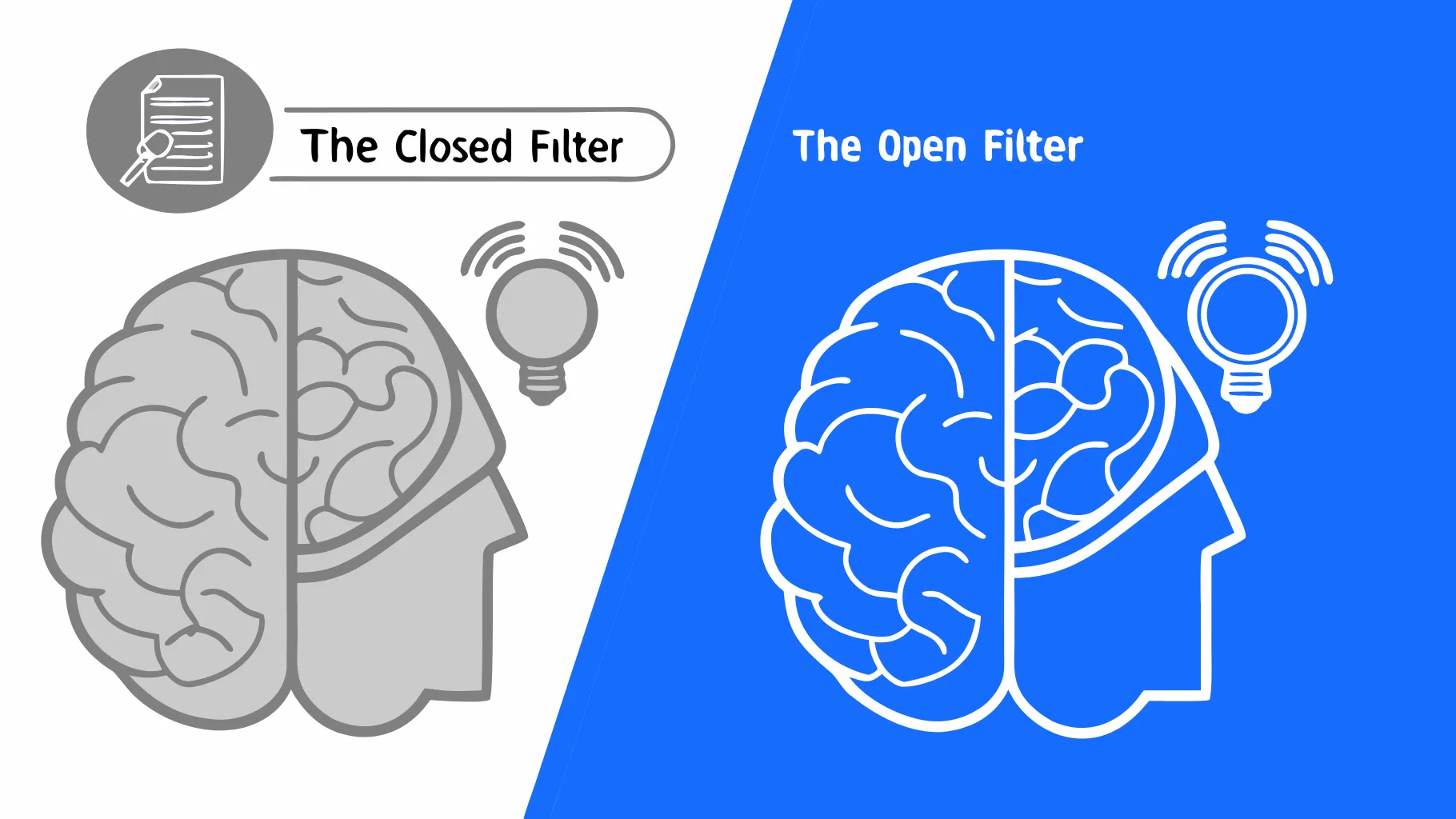
- Value is unlimited; the pie can expand
- Others’ success proves it’s possible for me too
- Money is a tool for creating and sharing
- Calculated risk is the path to growth
- How could I make this work?
The psychological difference matters because what you expect, you notice. What you notice, you measure. What you measure, you improve.
Someone with a scarcity mindset walks into a room and sees obstacles. Someone with an abundance mindset sees the same room and sees possibilities. Same facts. Completely different interpretations.
Research on prosperity consciousness shows that people with an abundance mindset are more likely to:
- Take calculated risks and pursue growth opportunities
- Experience higher levels of happiness and fulfillment
- Build stronger relationships and networks
- Make decisions from confidence rather than fear
- Bounce back faster from setbacks
This isn’t manifestation magic. It’s how your brain works. Your beliefs shape your attention, your attention shapes your actions, and your actions shape your outcomes.
The Self-Fulfilling Prophecy: Why Belief Creates Reality
This is where it gets powerful: your expectations actually influence outcomes through a psychological mechanism called the self-fulfilling prophecy.
Here’s how it works:
You believe: “I’m not good with money and investments.”
So you: Avoid researching investments, don’t set up automatic transfers, stay away from financial communities.
Result: You don’t learn, you don’t build, you don’t compound wealth. Your belief is confirmed.
But the reverse is equally true:
You believe: “I can learn to build wealth. Other people have done it, so it’s possible for me.”
So you: Research index funds, set up automatic contributions, join investing communities, stay consistent.
Result: Your investments compound, you gain confidence, your belief strengthens. Your belief creates the outcome.
The mechanism isn’t magic—it’s behavioral:
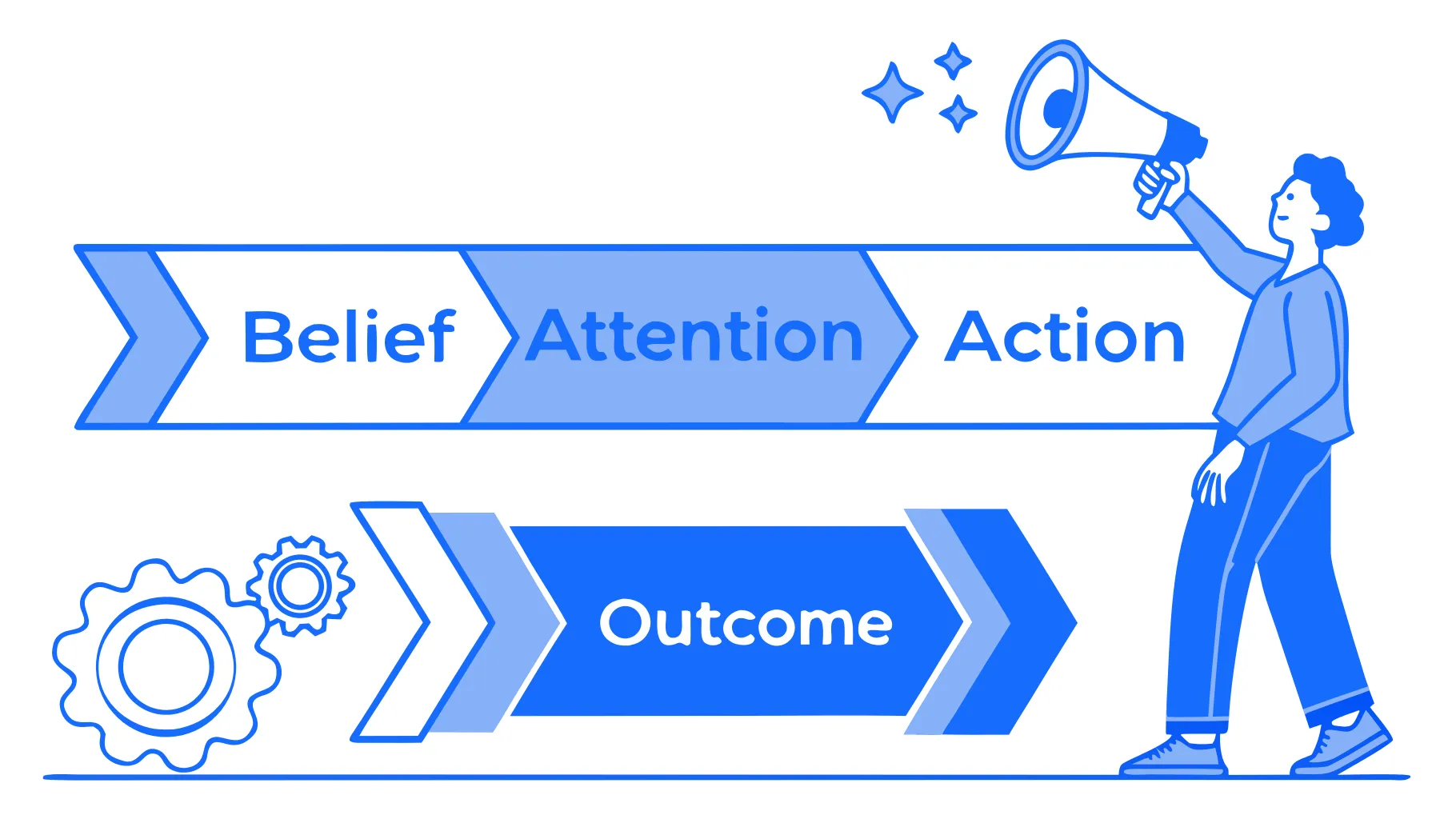
- Your belief shapes your attention. If you believe wealth-building is possible, you notice opportunities others miss.
- Your attention shapes your actions. You take steps toward goals you believe in; you sabotage goals you don’t.
- Your actions shape outcomes. Consistency beats talent, and belief drives consistency.
- Outcomes reinforce belief. Each success validates your belief, making you more likely to act again.
This is why positive self-fulfilling prophecies are so powerful—and why negative ones are so destructive. You’re not manifesting through wishful thinking. You’re creating outcomes through the actions your beliefs drive.
Prosperity Consciousness: The Architecture of Abundance Thinking
Beyond “abundance mindset” lies a deeper framework: prosperity consciousness—a deliberate belief system paired with aligned action.
Prosperity consciousness isn’t “think positive and money appears.” It’s the disciplined belief that value is abundant, opportunities are everywhere, and you can ethically convert those opportunities into outcomes through skill, service, and systems.
The core beliefs of prosperity consciousness include:
1. “Value is unlimited; the pie can expand”
Scarcity says competition is a zero-sum game. Abundance knows that creating value benefits everyone. When you help others succeed, you’re not losing—you’re building relationships, reputation, and networks that return to you.
2. “Opportunities are everywhere”
Someone with prosperity consciousness walks into any situation and asks “Where’s the opportunity here?” not “What could go wrong?”. They see problems as puzzles to solve, which means they see money where others see obstacles.
3. “I can ethically create wealth through contribution”
Prosperity consciousness rejects the narrative that wealth comes from luck or exploitation. It’s built through contributing value others are willing to pay for.
4. “Others’ success is proof for me”
When someone you know builds wealth, gets promoted, or starts a business—instead of “Good for them, bad for me,” the abundance mindset thinks “They did it, which means it’s possible. What can I learn from their approach?”.
5. “Generosity is an investment, not a loss”
This is counterintuitive but critical: people with abundance mindsets are more generous. They give tips, donate to causes, invest in others—not from obligation, but from a felt sense of having enough to share.
Why? Because when you give, you signal to your own brain: “I have more than enough.” This reinforces abundance thinking and actually creates a psychological feedback loop of prosperity.
From Belief to Action: How Abundance Consciousness Manifests Real Outcomes
Here’s where many people get stuck: they adopt abundance thinking but don’t take action. That’s backwards. Belief without aligned action is just wishful thinking.
True abundance manifestation requires both:
Belief (the mindset layer): You genuinely believe wealth-building is possible for you, that opportunities exist, that your actions matter.
Action (the behavioral layer): You take consistent, aligned steps—automating investments, learning new skills, pursuing opportunities, building networks.
When belief and action align, something shifts. You show up differently. People sense your confidence and are more likely to help you. You take risks others won’t because you believe in your ability to handle outcomes.
This isn’t magic. It’s psychology. But it works so consistently that it looks like magic.
Practical Strategies to Build Abundance Consciousness
Strategy 1: Identify and Challenge Scarcity Beliefs
Before you can shift to abundance, you need to recognize scarcity patterns. Ask yourself:
- What negative messages did you receive about money growing up?
- Where did your family focus—on what they had or what they lacked?
- When you receive money, what’s your first instinct—fear or gratitude?
- When others succeed, do you feel inspired or threatened?
Once you identify the belief, challenge it:
Scarcity belief: “I can’t afford to invest. I’ll never have enough.”
Challenge it: “Is this actually true, or is this a story from my past? What would happen if I invested $10/month? What evidence do I have that this isn’t possible?”
Reframe it: “I’m learning to invest. I’m building wealth gradually. I’m already ahead of where I was last year.”
Strategy 2: Practice Strategic Generosity

Generosity is not about giving until you’re broke. It’s about deliberately choosing to give from a place of abundance, which trains your brain to believe you have enough.
This could look like:
- Tipping better than you used to
- Donating to a cause you care about
- Mentoring someone in your field
- Sharing knowledge and skills without immediately expecting return
- Investing in someone else’s success
Every act of generosity sends a signal to your own nervous system: “I have more than enough. Giving enriches me.” And that belief gets reinforced.
Research shows that people who give generously actually experience greater financial returns long-term, not because of karma, but because generosity creates networks, reputation, and social capital that generate opportunities.
Strategy 3: Flip Your Money Language
The words you use shape your reality:
| Scarcity Language | Abundance Language |
|---|---|
| “I can’t afford this” | “Is this aligned with my priorities right now?” |
| “I’ll never have enough” | “I’m building wealth gradually. My efforts compound over time.” |
| “Money is the problem” | “Money is a tool. How can I use it strategically?” |
| “I’m bad with money” | “I’m learning. Each day I get better at money management.” |
| “Everyone else is lucky” | “They took action. That proves it’s possible. What can I learn?” |
Notice that abundance language isn’t delusion—it’s strategic reframing based on reality. You’re not denying challenges. You’re choosing to see possibilities alongside them.
Strategy 4: Make Decisions from Abundance, Not Fear
When you get a raise, bonus, or windfall:
Scarcity response: Hoard it. You’re afraid the opportunity won’t come again.
Abundance response: Invest it or allocate it strategically. You trust that future opportunities will come, so you can use this money to compound growth.
The result: The person with abundance mindset takes a raise and immediately increases investment contributions, knowing more money will follow. The person with scarcity mindset takes a raise and hoards it, leaving it in low-interest savings.
In a decade, the abundance mindset person has significantly more wealth—not because they earned more, but because they made different decisions based on different beliefs.
Strategy 5: Cultivate Gratitude and Faith
Gratitude is the practice that actively rewires abundance consciousness. When you practice gratitude, you train your brain to notice what you have instead of what you lack.
This isn’t toxic positivity. It’s rewiring your attention system. Right now, you have water, shelter, food, and (presumably) internet access. Millions of people don’t. That’s abundance.
From that foundation of gratitude, abundance mindset builds naturally.
Your One Thing Today

Pick one action that signals abundance to your nervous system:
Option 1: Identify one scarcity belief you hold and reframe it. Write down the old belief and the new one. Read the new one aloud. Let your brain start collecting evidence for it.
Option 2: Make one generous gesture—tip more than usual, donate $5 to a cause, share something valuable with someone. Notice how it feels. That feeling is your nervous system recognizing abundance.
Option 3: Change one money sentence. The next time you say “I can’t afford this,” pause and ask “How could I make this work?” Just that one shift opens your brain to possibilities.
Each micro-action trains your brain to recognize abundance. Do this consistently, and abundance stops being a mindset you’re adopting and becomes how you naturally perceive reality.
The Abundance Mindset Isn’t About Denying Reality
Let’s be clear: abundance mindset doesn’t mean pretending you’re rich when you’re not. It doesn’t mean ignoring real financial challenges or overspending from magical thinking.
It means believing that your current situation is not permanent, that effort matters, that opportunities exist, and that you’re capable of improving your circumstances.
Someone with an abundance mindset in debt still makes a budget. They still cut expenses. But they do it from a place of “I’m building myself out of this” instead of “I’m trapped here forever”.
That difference in belief drives completely different behavior and outcomes.
The Real Wealth Builder’s Edge
The people who build lasting wealth aren’t necessarily those who earn the most. They’re the ones who believe wealth is possible, see it as a tool rather than a trophy, generously support others, and consistently take action from abundance consciousness.
They make different choices because they believe different things. Their beliefs shape their attention. Their attention shapes their actions. Their actions shape their outcomes.
Over 10, 20, 30 years, those different choices compound into vastly different lives.
The abundance mindset is the operating system that runs in the background of every decision. Change the operating system, and you change the outcomes.