Skip to main content Skip to footer


You’ve heard the statistics: the average Black household holds less than one-tenth the wealth of the average white household. Latinas earn 57 cents for every dollar their white male counterparts earn. Marginalized communities face barriers to credit, homeownership, business capital, and financial education that others take for granted.
And you’re supposed to just… build wealth anyway?
Here’s the uncomfortable truth: the rules of wealth-building aren’t designed with you in mind. Homeownership—historically the primary wealth-building tool—was systematically denied to Black families through redlining. Access to capital for minority entrepreneurs comes with higher barriers and lower approval rates. Generational wealth gaps persist not because minorities lack capability, but because historical discrimination created compounding disadvantages.
So what’s the minority mindset? It’s not positive thinking or ignoring systemic inequality. It’s acknowledging the rigged system, understanding how it works, and building wealth despite it—while also working to change the system itself.
It’s both/and, not either/or.
The Reality Check: Systemic Barriers Are Real (And Not Your Fault)
The first part of the minority mindset is refusing to internalize systemic failure as personal failure.
Historical barriers include:
- Redlining policies that systematically denied mortgages to Black families, blocking the primary wealth-building vehicle for generations
- Wage discrimination that persists today despite equal qualifications
- Limited access to capital for minority entrepreneurs, with approval rates and funding amounts significantly lower than for white-owned businesses
- Financial education gaps reflecting centuries of exclusion from formal financial systems
- Childcare poverty traps that disproportionately affect women and mothers of color
- Limited social networks for mentorship and opportunity access that others inherit
These aren’t individual failures. They’re structural problems.
But here’s where the minority mindset diverges from victimhood: acknowledging these barriers doesn’t mean accepting them as fate.
The Minority Mindset: Three Core Beliefs
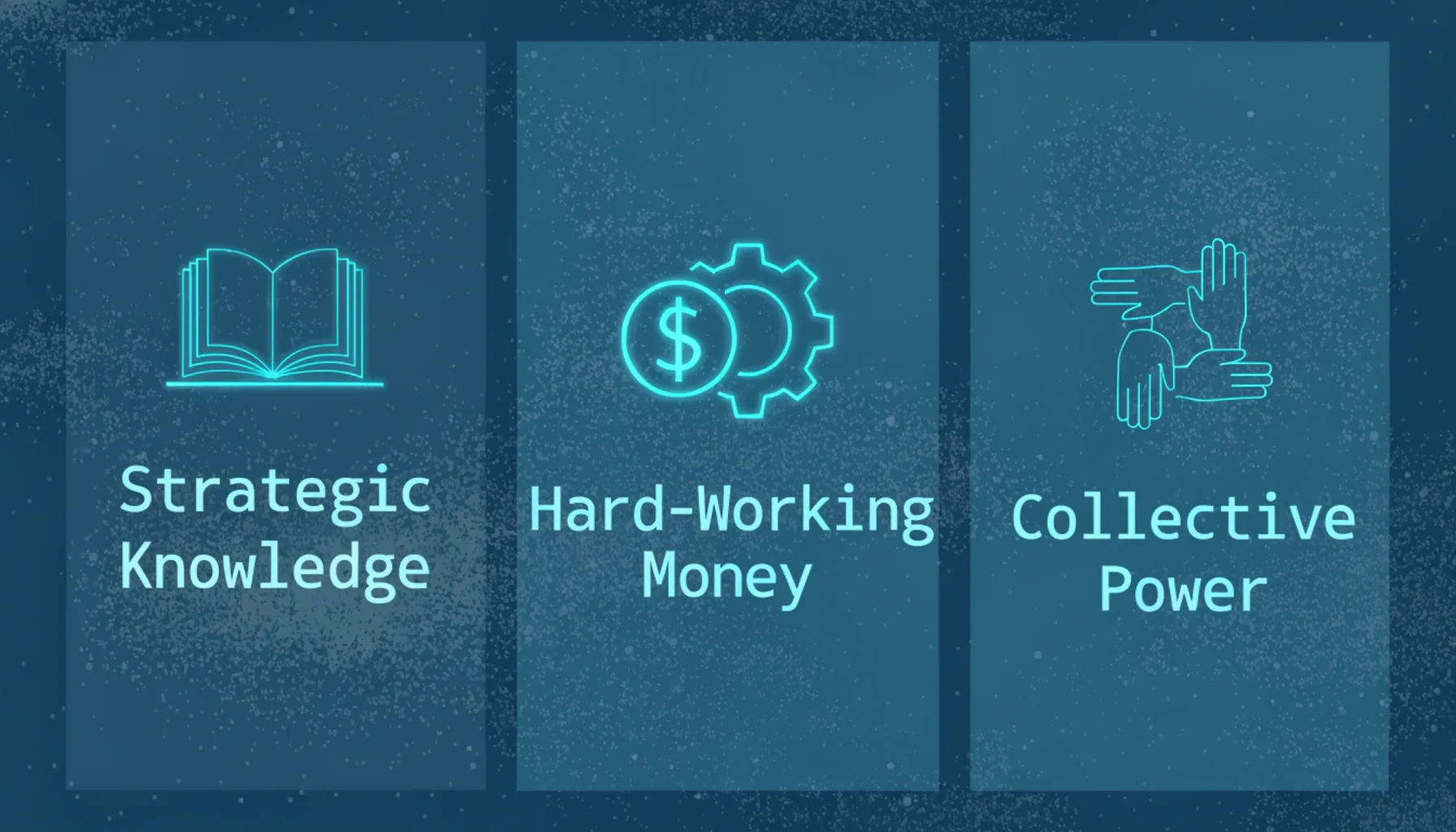
1. “Knowledge is Power—But Strategic Knowledge Doesn’t Make You Broke”
Traditional paths to financial literacy often cost money: expensive financial advisors, premium courses, wealth-building seminars. The minority mindset says: acquire strategic knowledge without going broke in the process.
This means:
- Prioritizing skills that generate income directly (sales, coding, high-value consulting) over credentials that only generate debt
- Using free and low-cost resources strategically: community workshops, employer-sponsored education, targeted free online courses, mentorship programs
- Learning from lived experience, not theory alone: connecting with people from your community who’ve navigated similar barriers
- Building knowledge that compounds: every skill learned increases your income-generating capacity or reduces vulnerability to exploitation
Knowledge is your most liquid asset when you’re starting from behind. But acquiring it must never trap you further.
2. “Your Money Must Work as Hard as You Do”
In marginalized communities, there’s often a cultural understanding of cash as security—keep it liquid, keep it safe, keep it where you can see it. This makes sense given historical exclusion from financial systems.
But the minority mindset recognizes that leaving money in cash is actually the riskiest move, because inflation erodes its value silently. You’re not protecting wealth; you’re losing it slowly.
Strategic wealth-building requires:
- Moving savings into assets that grow: stocks, real estate (even fractional ownership), commodities, small businesses
- Starting small but starting now: $25/month in diversified index funds beats $0 waiting for perfect timing
- Understanding that wealth preservation requires active investing: staying in cash is a financial strategy, but a losing one
The minority mindset says: your labor built wealth for others for centuries. Now your money needs to work for you.
3. “You Cannot Solve Systemic Problems Alone—But You Can Build Power Collectively”
This is the most radical and most powerful part of the minority mindset: rejecting the hustle culture narrative that says individual effort fixes everything.
Individual effort matters. But individual effort alone cannot fix a rigged system. The minority mindset recognizes that collective power is the lever that actually changes outcomes.
This looks like:
Community Wealth Building:
- Pooling resources with others for shared investments
- Supporting local, minority-owned businesses
- Building worker cooperatives and community land trusts
- Creating circular economies where money stays within the community longer
Mentorship Networks:
- Seeking mentors who’ve navigated similar barriers (not assuming a white mentor understands your specific challenges)
- Becoming a mentor to others coming up, paying forward the knowledge you gained
- Building formal and informal networks within your community
- Using organizations like MBDA, Black Business Alliance, 37 Angels, and community-specific programs
Advocacy and Collective Voice:
- Voting for policies that reduce systemic barriers: affordable housing, universal childcare, progressive taxation
- Demanding fair wages and pay transparency
- Supporting organizations fighting for structural change
- Teaching the next generation about both personal finance and systemic inequality
The minority mindset is not choosing between building personal wealth and fighting systemic oppression. It’s doing both simultaneously.
Practical Strategies for Building Wealth Against the Odds
Strategy 1: Generational Wealth Building Starts Now
The racial wealth gap exists partly because of unequal starting positions and partly because of ongoing discrimination. Both matter. But you can’t change the past—you can change what you pass to the next generation.
Starting your generational wealth project:
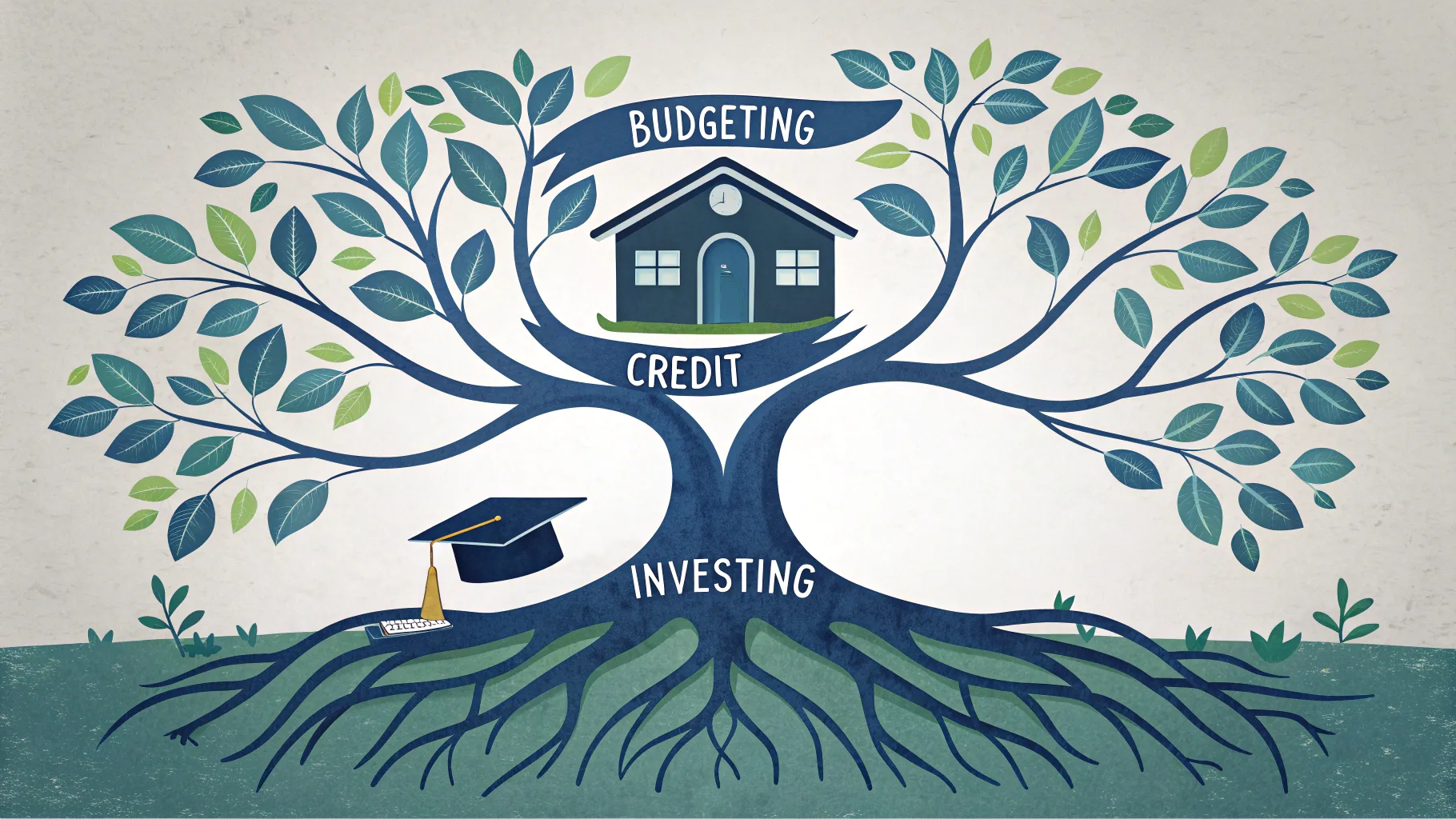
- Financial education for your family: teach kids budgeting, credit, investing—not just managing money, but building it
- Home ownership as a wealth tool (when possible): understand that homeownership builds equity your children inherit
- Asset-building focus: prioritize any asset creation—even small investments compound over decades
- Breaking the poverty cycle: ensuring your children don’t repeat financial patterns, but leap past them
Strategy 2: Strategic Networking and Mentorship
One of the clearest differences between communities is access to informal information and powerful networks. The minority mindset is actively building and leveraging networks strategically.
Accessing mentorship:
- Use formal programs: MBDA (Minority Business Development Agency), SBA 8(a) certification, SCORE mentoring, industry-specific minority networks
- Build informal networks intentionally: attend community events, join professional organizations, contribute to your community
- Seek mentors who understand your specific challenges: while cross-race mentorship is valuable, mentors from your community often have insights others lack
- Become the mentor: pay it forward and build networks of mutual support
The data shows that mentorship dramatically impacts outcomes. MBDA-supported businesses secured $1.5 billion in capital in fiscal year 2023. That’s not luck—that’s strategic access to knowledge and networks.
Strategy 3: Entrepreneurship as Wealth-Building

For minority communities historically excluded from traditional wealth pathways, entrepreneurship offers a different lever. Latinas are starting businesses faster than any other group—not because of access, but despite barriers.
The minority entrepreneur mindset:
- Starting small is not failure: you don’t need capital to start learning; you learn by doing
- Seek out funding specifically designed for minorities: grants, SBA loans, minority business programs
- Build business skills systematically: through mentorship, community programs, and targeted training
- Understand that business income becomes generational wealth: the income from your business can fund your children’s education or investments
Strategy 4: Time Is Your Superpower
One of the cruelest aspects of systemic inequality is how it compresses time—you have to earn more, save more, and catch up faster to achieve the same outcome.
But there’s a lever here: time in the market beats timing the market, and starting small beats starting late.
Embracing time as your advantage:
- Start investing immediately, even with tiny amounts: $10/week in diversified index funds, compounded over 30 years, builds real wealth
- Automate it so it happens without emotional decisions: remove friction and psychology from the process
- Play the long game: generational wealth isn’t about getting rich fast; it’s about steady, consistent building
- Fight the scarcity mindset: yes, you have less starting capital than others. But 30 years of compound growth still works
Overcoming the Psychological Barriers
Beyond systemic barriers are psychological ones—and they’re just as real.
Financial trauma from witnessing economic instability or injustice can create fear around money and investing. Internalized oppression can make you believe you “don’t belong” in wealth-building spaces. Money shame from generational poverty can block you from claiming abundance.
The minority mindset acknowledges these barriers and works through them:
- Seek culturally informed financial education: programs designed by and for your community, recognizing emotional and psychological barriers
- Process trauma with support: therapy, community circles, and group healing are parts of financial healing
- Reject the idea that you need permission: you don’t need white validation to be a wealth-builder. Your money is yours
- Build with others who understand: community keeps you accountable, motivated, and sane
Your One Thing Today

Pick one strategic action that acknowledges both systemic barriers and your agency:
Option 1: Research one mentorship program or community resource designed for your demographic and sign up or attend. (MBDA, 37 Angels, Black Business Alliance, your local community development organization, etc.)
Option 2: Start a $10-25 automatic monthly investment in a diversified index fund through a low-cost brokerage. You’re not trying to beat the system financially—you’re outsmarting it through time and consistency.
Option 3: Have one conversation with someone from your community who’s building wealth and ask them one question about their journey. You’re building informal mentorship and breaking isolation.
Each of these actions is small. But collectively, they’re the foundation of the minority mindset: acknowledging barriers while building anyway, learning strategically while not going broke, building individually while leveraging collective power.
The Minority Mindset in Action
The minority mindset isn’t about pulling yourself up by your bootstraps or ignoring the fact that others have working boots. It’s about using every tool available—strategic knowledge, time, community, assets, and collective power—to build wealth despite a system not designed for you.
You cannot fix historical injustice through personal savings. But you can:
- Build generational wealth that your children inherit
- Create opportunities for your community
- Demand systemic change while building personal assets
- Prove that generational wealth is achievable from any starting point
That’s not naive optimism. That’s the hardest, most strategic, most radical form of financial resilience—building your own freedom while working toward systemic change.
The rules weren’t written for you. But that doesn’t mean you can’t win the game. You just have to play it differently—smarter, collectively, and with intention.