Skip to main content Skip to footer


The Real System Behind Lasting Money Transformation
You’ve read the books. You’ve watched the videos. You know what to do with your money but you still find yourself stuck in the same patterns, making the same choices, feeling the same financial anxiety.
Here’s the hard truth: information alone doesn’t change behavior. Mindset does
Your financial mindset isn’t just what you think about money—it’s the deeper belief system that drives every money decision you make, often without you even realizing it. If your mindset is rooted in scarcity, fear, or shame, no budget hack or investment strategy is going to stick. But if you shift that foundation, everything else falls into place naturally.
The good news? Your financial mindset isn’t fixed. It’s not something you were born with or something you’re stuck with forever. It’s a pattern that was learned—and patterns can be relearned. This is where real transformation begins.
Your Money Story Started Long Before Your First Paycheck
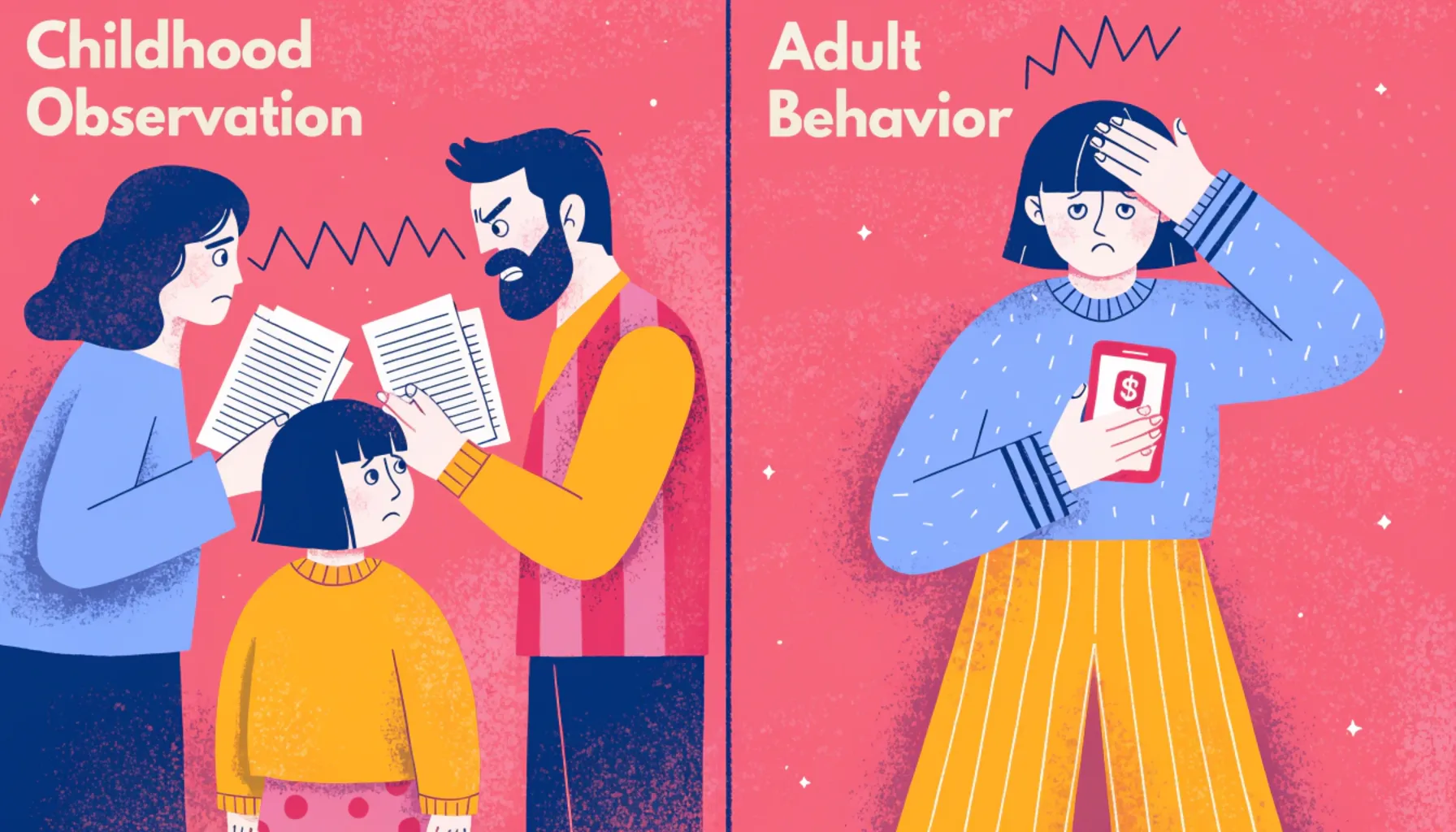
To change your financial mindset, you first need to understand where it came from. Most of us didn’t learn about money in a classroom. We learned it by watching.
Maybe you remember your parents arguing about bills, and now conversations about money trigger anxiety. Maybe you grew up with financial instability, and now you hoard every dollar even though your situation has changed. Maybe you heard messages like “money is evil” or “people like us don’t get rich,” and those words became the default voice in your head.
These aren’t character flaws. They’re money stories—deeply ingrained beliefs shaped by childhood experiences, family dynamics, and cultural messaging. A child who watched a parent work multiple jobs and still struggle learns that effort isn’t rewarded. A child who felt shame for wearing secondhand clothes learns that money determines self-worth. These lessons get stored in your brain as truth, and they run in the background of every financial decision you make as an adult.
The thing is: these stories aren’t facts. They’re interpretations of your past experience—and if they’re not serving your present or future, they can be rewritten.
How Your Brain Keeps You Stuck (And How to Unstuck It)
Your brain is wired to protect you. When you learned that money was scary or insufficient or dangerous, your amygdala (your brain’s alarm system) took note. Now, whenever money conversations come up or you face a financial decision, your brain defaults to protection mode—which usually looks like avoidance, anxiety, or impulsive decisions that feel safe in the moment but hurt you long-term.
The problem is that protective response hasn’t been updated to match your current reality. You might be financially stable now, but your brain is still operating from outdated programming.
This is where Cognitive Behavioral Therapy (CBT) comes in. CBT is essentially a brain retraining system that works by helping you identify the thought patterns keeping you stuck, challenge them with evidence, and replace them with more realistic beliefs.
Here’s how it works in practice:
Old thought: “I can never save enough money. There’s always an emergency.”
Challenging it: Look at your actual data. Do emergencies happen every month, or did they happen 3-4 times last year? If you saved $50 monthly, that’s $600 by year-end—enough for most emergencies.
New thought: “Emergencies happen occasionally, not constantly. I can build a buffer that covers most situations.”
This shift isn’t positive thinking or denial. It’s evidence-based reframing. And every time you practice it, you’re literally creating new neural pathways in your brain.
The Identity Shift: From “Trying” to “Becoming”
Here’s where most people’s mindset change attempts fail: they focus on outcomes instead of identity.
You set a goal: “I want to save $5,000.” You create a budget. You track your spending. But six months later, you’ve saved $800, and you’re back to your old habits. Why? Because you were trying to hit a number, not trying to become a saver.
Identity-based habit change is fundamentally different. Instead of “I want to save more money,” the shift is “I am a saver”. Instead of “I’m trying to stop overspending,” it becomes “I am someone who spends intentionally”.
This might sound like semantics, but it’s neurologically significant. When your identity shifts, your brain stops relying on willpower (which depletes) and starts running on autopilot (which doesn’t). A saver doesn’t have to convince themselves to transfer money to savings—they just do it, because that’s who they are.
Here’s how to make the identity shift:

Start by defining who you want to become around money. Not what you want to achieve, but who you want to be. Write it down: “I am a saver,” “I am financially responsible,” “I am confident with money,” or whatever resonates with you.
Then, take one tiny action that aligns with that identity. If you’re becoming a saver and you’ve never transferred money to savings before, don’t start with $500. Start with $10. That’s your “vote” for your new identity. You just proved it to yourself.
Over time, these micro-actions compound. You do it again. And again. Each time, you’re building neural pathways that reinforce: “I am someone who does this.” The identity becomes stronger than the willpower needed to maintain it.
Practical Systems That Rewire Your Mindset
Mindset change isn’t mystical. It’s mechanical. You create systems, you repeat them, your brain adapts, and eventually, new behaviors feel normal and automatic.
Small Wins Create Momentum
Your brain is a dopamine-seeking machine. When you accomplish something—even something tiny—your brain releases dopamine, which motivates you to keep going. This is how confidence compounds.
Instead of trying to overhaul your entire financial life, identify one small win you can achieve this week. Maybe it’s tracking your spending for a day. Maybe it’s moving $5 to savings. Maybe it’s researching one investment you’ve been curious about.
Track this win visibly. Write it down. Celebrate it. Your brain needs evidence that “I can do this,” and small wins provide that proof. Over weeks and months, these victories stack up, and suddenly you’re not trying to change—you’ve already changed.
Habit Stacking Makes New Behaviors Effortless
The reason most financial habits fail is that they require willpower, and willpower has a limited battery.
Habit stacking solves this problem. The concept is simple: attach your new financial habit to an existing routine you never miss.
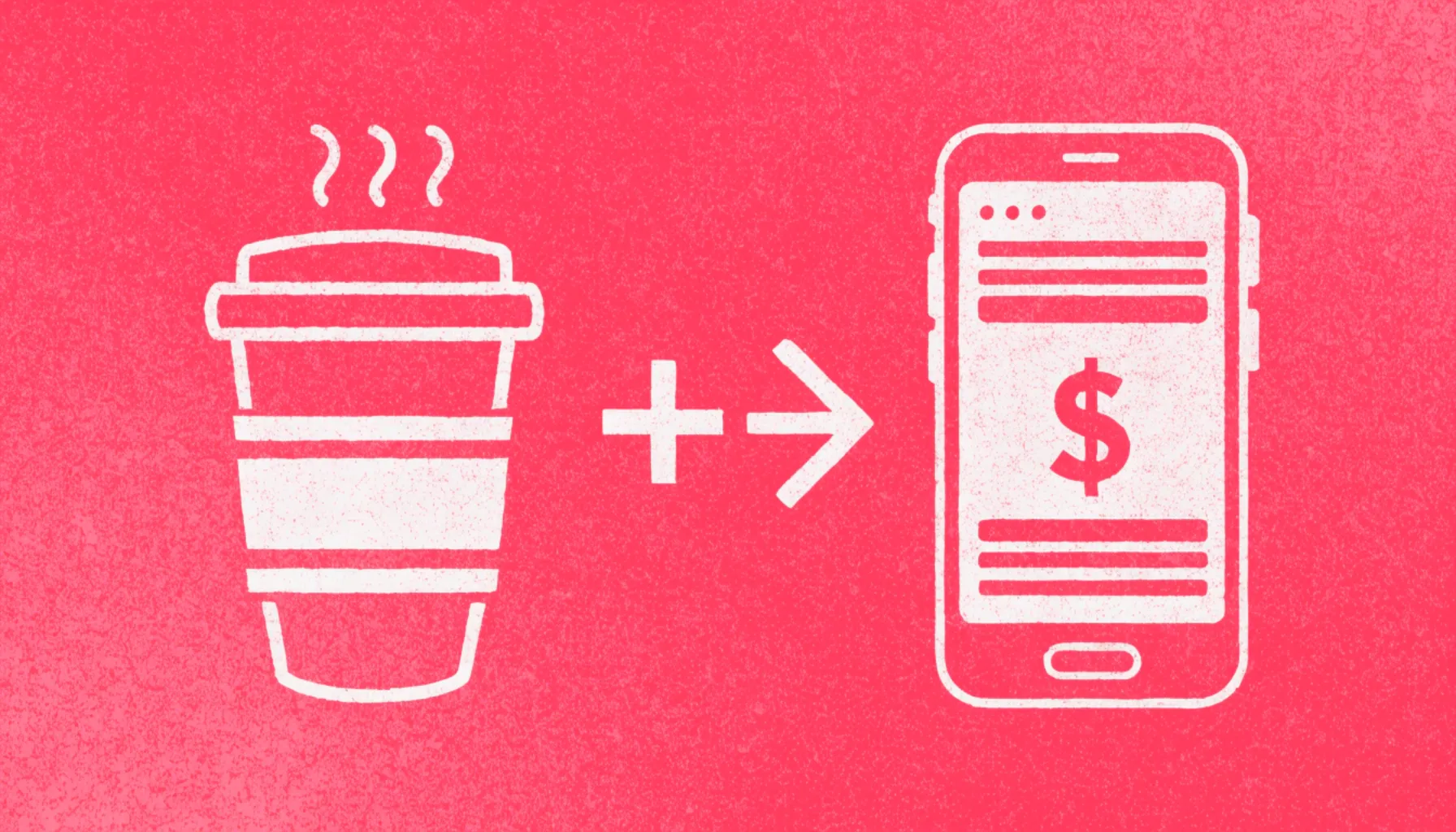
Your existing routine is your “anchor.” It could be making your morning coffee, brushing your teeth, or checking your email. Pick one that naturally occurs near your financial touchpoints.
Then, create your “financial action”—something tiny that takes under 5 minutes:
- After I brew my morning coffee, I’ll check my savings balance (30 seconds)
- After I eat lunch, I’ll review yesterday’s spending (1 minute)
- After I close my laptop on Friday, I’ll update my progress tracker (2 minutes)
Write down your stack in this formula: “After I [anchor], I will [financial action]”. Pin it somewhere visible until it becomes automatic.
The magic happens because your brain doesn’t have to decide when or if you’ll do it. The anchor triggers the action. No decision fatigue, no willpower required.
CBT Thought Records: Challenge Scarcity in Real Time
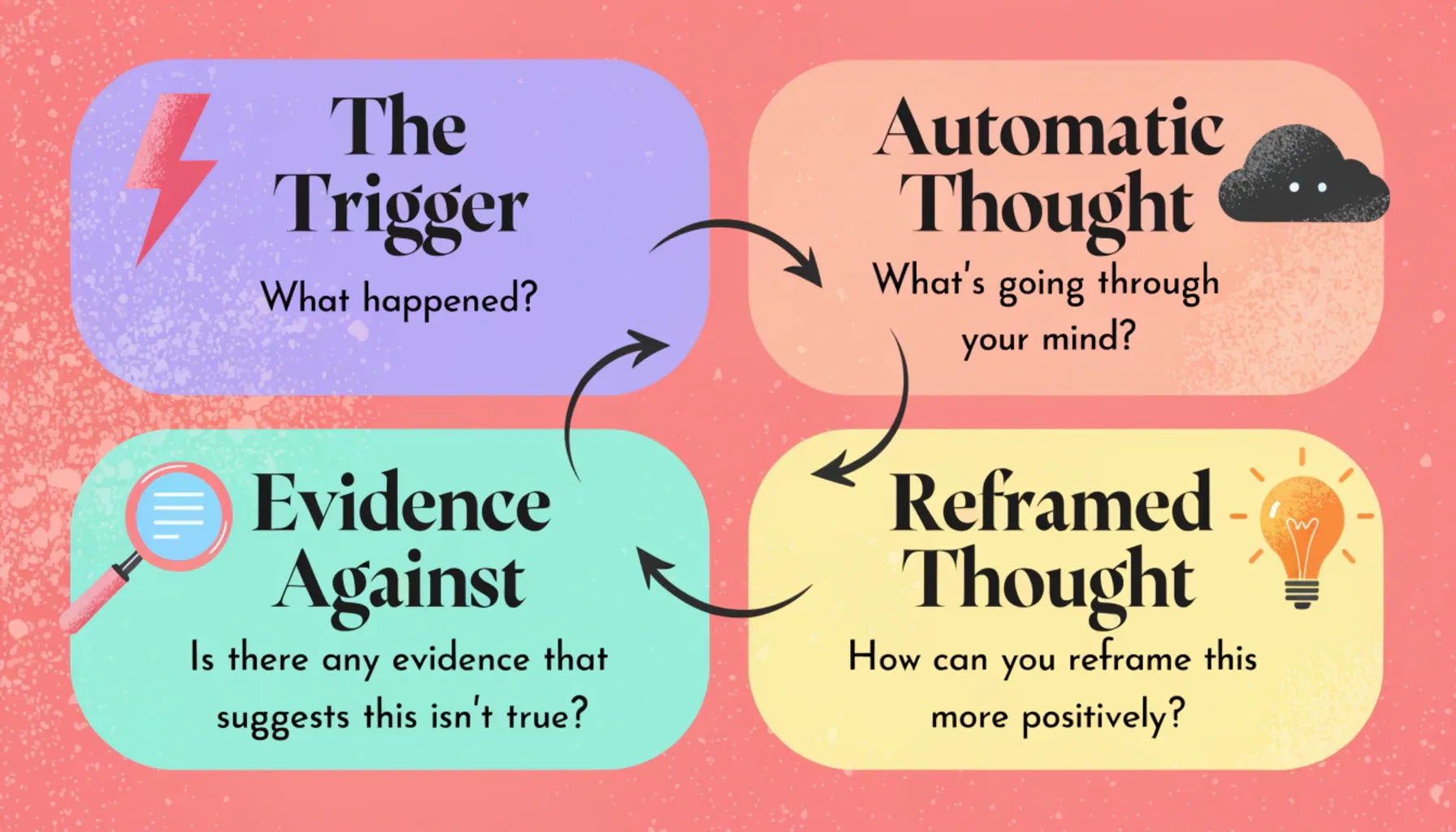
When you catch yourself thinking “I can’t afford this” or “I’ll never be good with money,” use a thought record to interrupt the pattern.
Write down:
- The situation: What triggered the thought? (“I saw a course I want to take”)
- The automatic thought: What did your brain say? (“I can’t afford it. I’m wasteful with money.”)
- The evidence against it: What facts contradict this? (“I successfully budgeted for [previous purchase]. I haven’t overspent this month. I have $XX in discretionary funds.”)
- The reframed thought: What’s a more realistic, evidence-based thought? (“I can afford this if I prioritize it. Let me research and decide if it aligns with my values.”)
This isn’t positive thinking. It’s reality-based reframing. You’re training your brain to challenge catastrophic thinking with actual evidence.
From Scarcity to Strategy: Shifting Your Money Language
The words you use shape your reality—and they’re broadcasting your mindset to your brain constantly.
Scarcity language: “I can’t afford it.” “I’ll never have enough.” “I’m bad with money.”
Abundance language: “How could I make this happen?” “I’m learning to build wealth.” “I’m someone who makes intentional financial choices.”
Notice the difference? The first closes doors. The second opens them.
Start paying attention to your money self-talk. When you catch scarcity language, pause and rephrase it. You don’t need to believe the reframe yet—just say it. Your brain will start collecting evidence to support the new narrative.
This is especially powerful for financial wins. Instead of downplaying a raise or bonus (“It’s not that much”), try: “There’s more where that came from. I’m building momentum.” Instead of guilt-spiraling over a mistake (“I’m so bad with money”), try: “I’m learning. I’ll do better next time”.
Healing the Roots: Addressing Money Trauma
Sometimes, shifting your mindset requires more than reframing. If you experienced genuine financial trauma—growing up poor, witnessing financial abuse, losing everything suddenly—those wounds go deep, and reframing alone might not be enough.
This is when professional support becomes important. A therapist trained in financial therapy or trauma work can help you process the emotional roots of your money beliefs and build genuine healing, not just mental tricks.
There’s no shame in needing this. Money trauma is real, and it deserves real support.
Your One Thing Today
Pick one micro-action that shifts your identity or challenges a limiting belief:
- Identify one anchor habit and stack a 2-minute financial action to it
- Write down one money win (no matter how small) and read it back to yourself
- Catch one “I can’t afford” thought and reframe it with evidence
- Define the financial identity you want to embody and take one tiny action that proves it
The key is to make it so small that you can’t fail. You’re not trying to transform your entire mindset in one day. You’re casting a vote for who you want to become.
The Transformation Happens in Repetition
Here’s what nobody tells you about changing your mindset: it’s boring. It’s not dramatic. It’s just small, consistent actions, day after day, week after week, until one day you realize you’re not trying to be financially responsible—you are financially responsible.
The neuroscience is on your side. Your brain is neuroplastic, meaning it’s designed to change and adapt. Every time you practice a new thought pattern, take a micro-action, or celebrate a small win, you’re literally rewiring your brain. The pathways get stronger. The new identity gets more solid. The old patterns get weaker.
This isn’t about willpower or motivation. It’s about system design. Build the right habits, stack them to your existing routines, celebrate the wins, and let repetition do the heavy lifting.
You didn’t develop your current financial mindset overnight, and you won’t change it overnight. But if you commit to consistent micro-actions and identity shifts, six months from now, a year from now, you’ll look back and realize something fundamental has changed—not just how you manage money, but how you see yourself with money.
That’s not hope. That’s neuroscience. And that’s how real transformation happens.